What Is a Payday Loan and Why Avoid It?
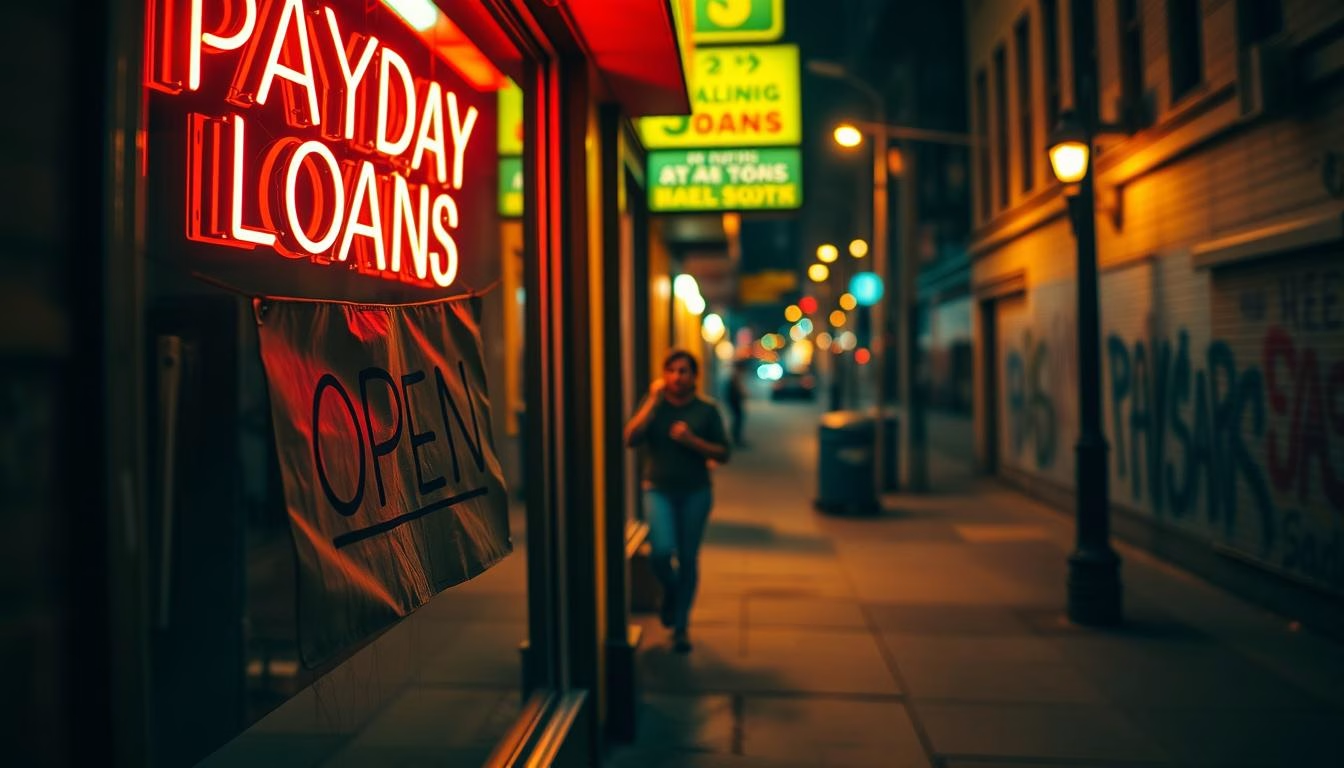
Ever found yourself in a tight financial spot, wondering if a quick cash advance is worth the risk? More and more people are turning to payday loans for quick help. These loans are meant for emergencies but come with high-interest rates and fees.
Reports from the Consumer Financial Protection Bureau (CFPB) and studies show these loans are now more available but also more dangerous.
Definition of Payday Loans
Payday loans are short-term loans meant to help people with urgent money needs. They have high-interest rates and must be paid back within two to four weeks. This makes them short-term loans.
Many people get payday loans for quick cash. The process is easy, and there’s no credit check. This is great for those with bad credit.
Loan amounts vary from $100 to $1,000. While payday loans offer quick cash, they can lead to debt if not managed well. It’s important to understand payday loans before borrowing.
The Rise in Popularity of Payday Loans
Payday loans have become more popular in recent years. This is especially true during tough economic times. People often turn to these loans for unexpected expenses. They are quick and easy to get, unlike traditional loans.
Payday lenders use aggressive marketing to attract borrowers. They use online platforms to make it easy to apply from home. This has led to more people borrowing, especially those who don’t know about other financial options. The Pew Charitable Trusts has reported on how these tactics affect people’s choices.
Reports from the Bureau of Labor Statistics show a link between job losses and more payday loans. When jobs are scarce, people might choose payday loans for quick cash. This shows how economic conditions and lack of financial knowledge can influence borrowing decisions.
Advantages of Payday Loans
Payday loans have many benefits for people in urgent need of money. They offer quick access to cash. This is great for covering unexpected costs like medical bills or car repairs fast.
These loans also have fewer requirements than traditional bank loans. You usually don’t need to provide much paperwork. And, you don’t always need a long credit history. This makes payday loans a good choice for those who can’t get bank loans.
Online platforms make it even easier to get payday loans. With a few clicks, you can look at different options and apply from home. This is much faster than the long process banks have.
Disadvantages of Payday Loans
Payday loans have big downsides that can hurt your money health. One big problem is the high-interest rates. These rates can lead to huge fees, making a quick fix into a long-term problem.
The payday loan repayment terms might seem simple, but many struggle to pay back. Studies show many need to take out more loans just to keep up. This creates a cycle of debt that can last a long time.
Many people can’t pay back payday loans on time. This leads to more problems. As they take out more loans, their credit scores drop. This can hurt their financial future.
Here’s a table showing the bad sides of payday loans:
| Aspect | Details |
|---|---|
| Average Interest Rate | Over 400% |
| Percentage of Borrowers Needing Rollovers | Approximately 80% |
| Average Loan Amount | $500 |
| Repayment Timeframe | Two to Four Weeks |
| Impact on Credit Score | Negative if loans are not paid on time |
In short, payday loans can put you in a tough financial spot. The high-interest rates and tough repayment terms make them a risky choice. It’s important to know these risks before taking out a payday loan.
Alternatives to Payday Loans
Looking for better options than payday loans can help you manage unexpected costs. Personal loans from credit unions are a good choice. They usually have lower interest rates than payday loans. This makes them a better option for short-term needs.
Installment loans are another option. You pay back the loan in installments over time. This can make payments easier than the all-at-once payment of payday loans.
Peer-to-peer lending is also worth considering. It lets you borrow from individuals, often at lower rates than payday lenders. This can save you money and offer more flexibility.
Getting help from family or friends is another alternative. Borrowing from loved ones can help avoid high-interest payday loans. It keeps your finances in check while keeping your relationships strong.
Learning to budget and save for emergencies is key. These skills can help you avoid needing emergency loans. Budgeting helps you manage your money better, making you more financially stable.
For more information, check out resources from nonprofit groups. The National Association of Federal Credit Unions has tips on finding better loan options. They stress the importance of making smart financial choices.
| Alternative | Type | Interest Rate | Repayment Terms |
|---|---|---|---|
| Personal Loans | Credit Union | Low | Fixed installments |
| Installment Loans | Online Lenders | Moderate | Monthly installments |
| Peer-to-Peer Lending | Online Platforms | Variable | Flexible repayment |
| Family/Friends Loans | Informal | Negotiable | Flexible |
Legal Regulations Surrounding Payday Loans
Payday loans are governed differently in each state across the United States. Laws set limits on interest rates, repayment terms, and how much you can borrow. Some states have strict rules, while others are more relaxed or have no laws at all.
Knowing these rules is key for borrowers. If you don’t understand the laws in your state, you could face big financial problems.
Groups like the Consumer Financial Protection Bureau work to protect consumers from payday loan scams. They want to stop lenders from trapping people in debt. Some states have even banned payday loans to protect their citizens.
If you’re looking at online payday lenders, it’s important to know the laws in your area. Understanding these rules helps you make better choices. You can find more information at the National Conference of State Legislatures. It helps explain how different laws affect borrowers in different states.
0 Comments