What Documents Are Needed for a Loan Application
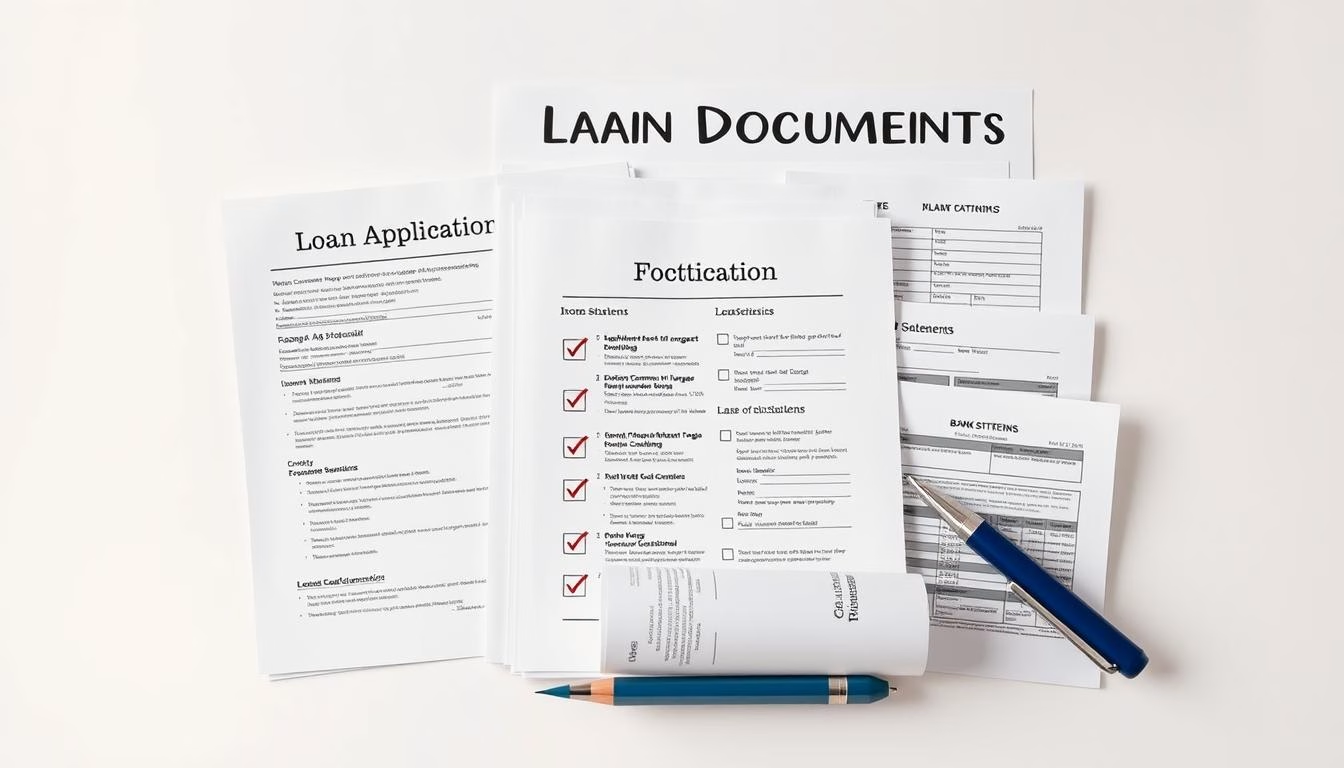
Ever wondered what papers are key to your loan application? The loan documents checklist is crucial, not just a formality. It’s the first step to getting the funds you need. Knowing what documents are needed can reduce stress and speed up approval.
From proof of income to identification, preparation is key. In this section, we’ll cover the essential mortgage paperwork every borrower should know.
Understanding Loan Types and Their Requirements
Different loans need different loan documentation requirements. Whether it’s a personal, home, or auto loan, knowing what’s needed is key. Each loan type has its own set of documents that show its nature and risk.
Home loans need a lot of financial and property info. You’ll need to show your income, bank statements, property value reports, and a title deed. These are important to show you can pay back the loan and that the property is worth it.
Personal loans are different. They focus more on your credit and how much you earn. You might need to show your credit score, proof of job, and how much you make. Knowing this helps you prepare the right mortgage checklist for buyers for your loan.
Auto loans require income proof and details about the car. This shows how important it is to match your documents to your loan type. It makes applying for a loan easier.
Understanding the loan documentation requirements for each loan helps borrowers apply more smoothly. It also boosts their chances of getting approved.
Basic Personal Information Required
When you apply for a loan, you need to give a lot of personal info. This info helps lenders know who you are and if you can pay back the loan. Here are the main things you’ll need to provide:
- Name: Your full legal name is key to identifying you.
- Address: Your current home address shows where you live and if you’re stable.
- Social Security Number: This is needed for credit checks and to prove who you are.
- Employment Details: Info about your job now and in the past helps lenders see if you can afford the loan.
Having these documents ready can make the loan process faster. It’s smart to have a checklist of everything you need for loan approval. This way, you’ll have all your info ready when you need it.
Financial Documentation for Loan Applications
When you apply for a loan, getting your financial documents ready is key. Lenders look at these documents to see if you can pay back the loan. They want to know about your income, taxes, and bank accounts.
A checklist for loan preparation can help. It makes sure you have all the right papers. Here’s a list of what you might need:
| Document Type | Description |
|---|---|
| Pay Stubs | Recent pay stubs showing income over the last month or two. |
| Tax Returns | Complete tax returns for the last two years, including all schedules and W-2 forms. |
| Bank Statements | Recent bank statements, typically for the last two or three months. |
| Proof of Additional Income | Documentation for other income sources, such as bonuses or rental income. |
| Debt Statements | Statements for any current debts to assess total liability. |
Having all your financial documents ready makes the loan process easier. A detailed checklist can help you get approved.
Credit History and Reports
Credit history and reports are key in the loan application process. Lenders use these loan application documents to check if a borrower is trustworthy. They look at past borrowing and repayment to decide on loan terms.
Applicants can get their credit reports from Experian, TransUnion, and Equifax. It’s important to check these reports before applying for a loan. Knowing your credit score and any errors can help fix issues early. This improves your chances of getting a loan.
Boosting your credit score can lead to better loan deals. Here are ways to do it:
- Pay bills on time to keep a good payment history.
- Lower outstanding debts to reduce credit use.
- Limit new credit checks to avoid score drops.
- Keep old credit accounts open to lengthen your credit history.
Asset and Liability Documentation
When you apply for a loan, showing your assets and liabilities is key. Lenders look at these to see if you can handle the loan. You’ll need to gather a few important documents.
- Property deeds or titles
- Bank statements
- Investment statements (stocks, bonds, retirement accounts)
- Details of outstanding loans and credit card debts
This helps lenders understand your financial situation. A clear mortgage paperwork checklist is crucial. It makes sure you have everything needed.
Being honest about your assets and debts is important. It shows you can pay back the loan. Knowing what to include helps you present a strong financial case to lenders.
Additional Documents for Specific Loans
When you apply for a loan, remember that different types need additional documents for specific loans. Each loan has its own set of rules that borrowers must follow. For example, FHA loans ask for proof of where you live. VA loans need your military service records.
Knowing these needs can make applying for a loan easier. You should make a detailed mortgage checklist for buyers that covers these points. Here’s a list of extra documents you might need, based on the loan type:
| Loan Type | Additional Documentation Required |
|---|---|
| FHA Loans | Proof of residency, W-2 forms, and bank statements |
| VA Loans | Certificate of Eligibility, military service records |
| USDA Loans | Proof of income, residency eligibility, and rural area designation |
| Jumbo Loans | Higher down payment documentation, asset verification |
Having all your documents ready before applying can make things go smoother. By adding the specific needs for each loan to your mortgage checklist for buyers, you can feel more confident in the loan process.
Documentation for Self-Employed Borrowers
Self-employed borrowers face unique challenges when applying for loans. It’s crucial to know what loan documents are needed. They must gather a detailed checklist of financial evidence for loan approval.
Here are the essential documents for self-employed individuals:
- Profit and loss statements for the last two years
- Personal income tax returns, typically for the last two years
- Business tax returns, if applicable
- Bank statements from business accounts
- Business licenses and permits
These documents are vital for showing lenders that you’re financially stable. Profit and loss statements help show income trends. Tax returns give a full view of earnings over time. Lenders use this info to gauge the risk of lending to self-employed people.
Having a clear and accurate set of documents is key. Any mistakes can cause delays or even deny your loan. Self-employed borrowers should aim to present a clear financial story that matches their industry and economic situation.
Preparing a Loan Document Checklist
To make the loan application process easier, it’s key to have a detailed loan documents checklist. Organizing your documents by loan type, lender needs, and your financial situation can help a lot. This way, you avoid confusion and make sure you submit everything on time.
Start by figuring out the main types of documents you’ll need for different loans. For example, you might need:
- Proof of income like pay stubs and tax returns.
- Details of any debts you already have.
- Info about your assets, such as bank statements and property deeds.
Then, add specific items that match the lender’s requirements. Looking at a loan approval checklist can help you make sure you have everything. For instance, you’ll need proof of purchase, appraisals, and loan registration documents.
After you’ve collected all the necessary documents, organize them in a logical order. A well-organized layout helps prevent mistakes in your application. You might want to make a table to categorize your documents clearly:
| Document Category | Documents Required | Notes |
|---|---|---|
| Proof of Income | Pay stubs, tax returns, bank statements | Use the latest documents |
| Debt Information | Statements for loans, credit cards | List all your debts |
| Asset Documentation | Property deeds, investment statements | Include any valuable assets |
| Loan-specific Documents | Proof of purchase, appraisals | Gather necessary assessments |
By following these steps, you can create a loan documents checklist that fits your needs and the lender’s requirements. Proper preparation can make the loan process smoother and increase your chances of getting good loan terms.
Final Steps Before Submitting Your Application
Before you send in your loan application, make sure to check your paperwork carefully. A detailed loan processing checklist is key to confirm all documents are there. You should also check for signatures and make sure all documents meet the lender’s needs.
It’s also important to review your credit information. Mistakes in your credit report can slow down the loan approval. Checking your credit history early can help speed up the process and get better loan terms.
If you’re unsure about anything, talk to a loan officer. They can help with the mortgage paperwork checklist and answer any questions. By double-checking everything before you submit, you can make the application process smoother and faster.
0 Comments