The Future of Crypto Regulation in America
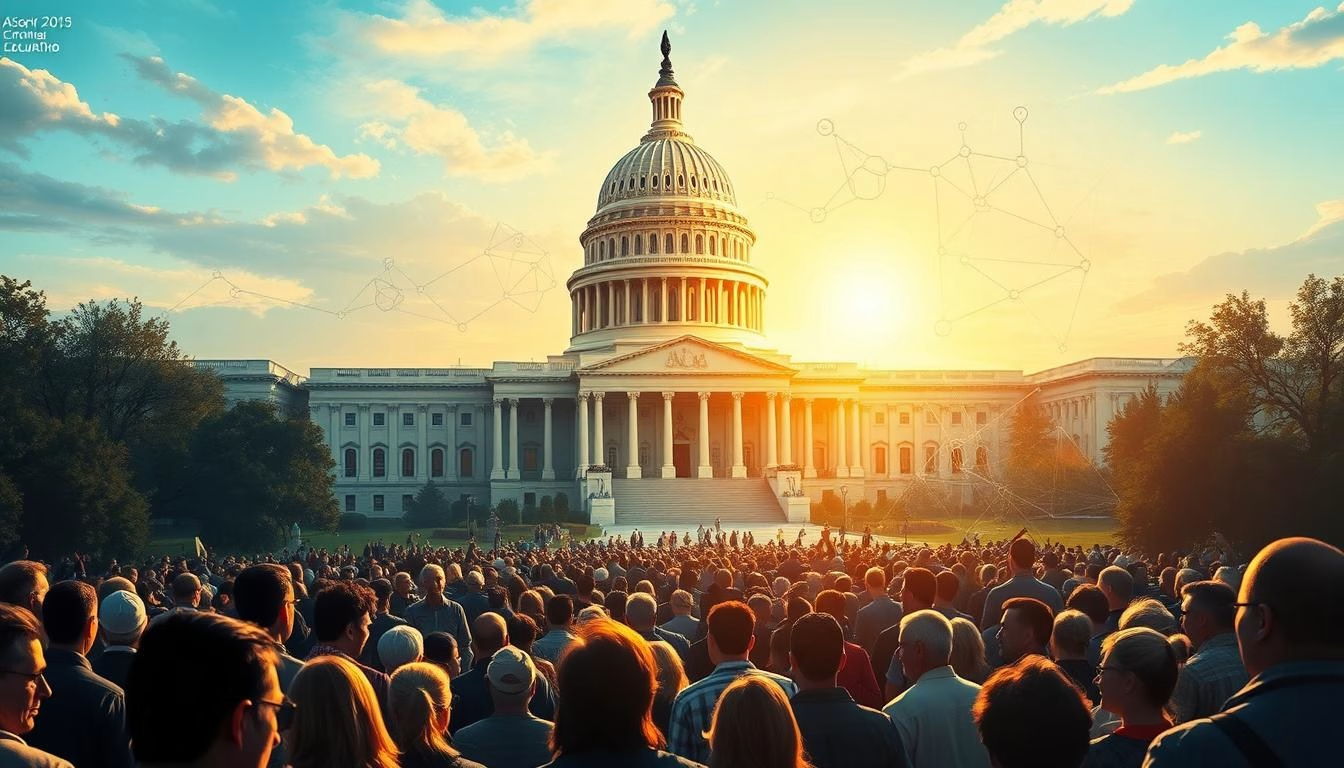
As digital currencies grow, a big question faces investors and developers: What’s the future of crypto regulation in the USA? Cryptocurrency laws are changing fast. Now, more than ever, we need clear rules for digital assets.
This section will look at expected changes in laws. We’ll see how the SEC and CFTC will play a role. It’s all about finding a balance between strict rules and allowing innovation. With lawmakers paying more attention to crypto, it’s key to understand these changes.
Current State of Crypto Regulation in the USA
The US has a complex set of laws for cryptocurrencies. These laws vary, leading to a mix of rules across different areas. The main laws include the Bank Secrecy Act (BSA) and state regulations. Together, they set the rules for US crypto compliance.
Regulatory bodies like the Financial Crimes Enforcement Network (FinCEN) have strict rules for some crypto businesses. They need to follow certain guidelines to stay compliant. This is part of a larger effort to keep financial activities safe and open. The question of whether cryptocurrencies are securities or commodities adds to the complexity.
In short, businesses dealing with cryptocurrencies must understand the many laws they face. Knowing these rules is key to following regulations and succeeding in the market.
Recent Developments in Legislation
Recently, there have been big steps forward in laws about crypto in the USA. As digital money grows, lawmakers are working hard to make clear rules. They want to make sure everyone in the market is safe and knows what to do.
The Digital Commodities Consumer Protection Act is a big deal. It aims to clearly say what digital money is and how it should be handled. This act shows a trend towards making laws that cover all parts of blockchain.
Lawmakers are looking at how to protect people and help the industry grow. They want to make sure digital money is used in a way that’s fair and safe.
Some important parts of the new laws include:
- Setting up rules for digital asset exchanges
- Creating clear rules for digital currency makers
- Protecting consumers from scams and misuse
Everyone involved is working together to make a better place for digital money in the USA. This teamwork could lead to a more stable and fair space for all users.
Challenges Facing Crypto Regulation
The world of cryptocurrency laws is full of challenges. One big problem is that different states have different rules. This makes it hard for businesses to follow the law.
Regulators struggle to balance innovation with safety. They want to protect consumers but also not stop new ideas. The value of cryptocurrencies can change a lot, making it tough to keep things stable.
There are also worries about fraud and money laundering. These issues make it hard to enforce the law. Regulators are under pressure to keep up with new problems and find solutions fast.
Global Perspectives on Crypto Regulation
Countries worldwide are looking into different ways to regulate cryptocurrencies. Japan and Switzerland have set up detailed rules that encourage innovation. They also make sure security and compliance are top priorities. These countries show how to balance growth with safety in digital assets.
On the other hand, some countries are more cautious or even ban cryptocurrencies. This shows a risk-averse approach to these new financial tools. The different rules around the world create a complex picture, with some countries embracing crypto more than others.
The Financial Stability Board is pushing for international compliance standards like those in traditional finance. This highlights the need for a unified approach to crypto regulation. To learn more about these strategies, check out the global crypto regulation report. It details the changing world of digital asset rules.
The Path Forward for Crypto Regulation
The world of cryptocurrency is changing fast. This means we need to update how we regulate it. The digital asset market is growing quickly. We must find a balance that supports innovation, protects consumers, and keeps the financial system stable.
Creating this balance will take teamwork. We need regulators, lawmakers, and industry leaders to work together. This way, we can make sure everyone is on the same page.
One key step is to sort out how we classify different types of cryptocurrencies. By understanding tokens, stablecoins, and decentralized finance, we can make better rules. This helps businesses follow the rules and grow responsibly.
It’s also important to let innovation and safety go hand in hand. As companies explore blockchain, we need to learn from others. By looking at what works worldwide, we can make our rules clearer and more effective. This will help make the crypto market safer and more exciting for everyone.



0 Comments