Credit Card vs Debit Card: What’s Better?
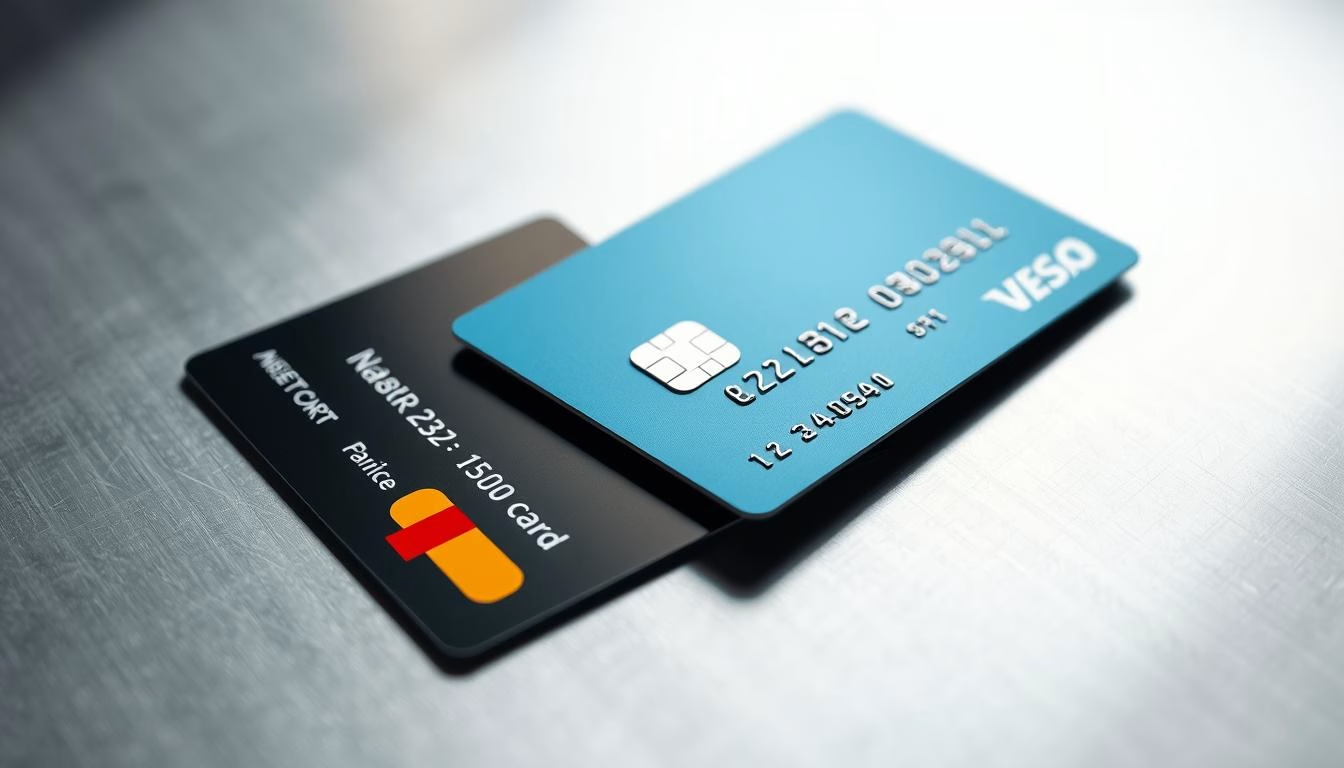
Ever thought about why some folks love credit cards and others stick with debit? Figuring out the best choice is key for smart money management. It’s important to know the credit card benefits and debit card advantages to make informed decisions. Credit cards can help with budgeting, earning rewards, and improving credit scores. On the other hand, debit cards offer a no-frills way to spend money, keeping you from getting into debt.
Both credit and debit cards are popular in the U.S. This guide aims to shed light on which one suits your financial needs better.
Understanding Credit Cards
Credit cards let people borrow money up to a set limit for purchases or cash withdrawals. They offer benefits like cash back, miles, or travel points. Using them wisely can also improve your credit score, leading to better loan rates in the future.
It’s key to know about interest rates and fees. Carrying a balance can lead to high costs. To avoid this, pay on time and understand the fees. This way, you can enjoy the perks of credit cards without the downsides.
Understanding Debit Cards
Debit cards let you use money directly from your checking account. They are great for everyday shopping. They help you stick to your budget because you can only spend what you have.
Debit cards also offer many security features. They send alerts for any transactions, helping you catch fraud quickly. Plus, you’re protected from unauthorized charges, making shopping safer.
Debit cards differ from prepaid cards. Prepaid cards are good for controlling spending but lack the security of debit cards. They don’t link to your bank account and may have fees. Knowing these differences helps you choose the right card for your needs.
Key Differences Between Credit and Debit Cards
When looking at credit and debit cards, several key differences stand out. Credit cards let users borrow money up to a certain limit. This allows for bigger purchases without needing to pay right away. On the other hand, debit cards take money directly from your bank account. This means you can only spend what you have available.
How these cards affect your credit score is another big difference. Using a credit card responsibly can help improve your credit score if you pay on time. But, debit cards don’t help with credit scores because they don’t involve borrowing.
Fees are another area where credit and debit cards differ. Credit cards might have annual fees, late fees, and interest if you don’t pay off the balance each month. Debit cards usually have fewer fees, but some might charge for overdrafts or ATM use outside their network.
Responsibilities for users also vary. Credit card users need to manage their credit well to avoid debt. Debit card users just need to spend what they have, which helps with budgeting.
When it comes to buying things, credit cards can offer rewards, cashback, or travel points. This makes them great for people who buy a lot. Debit cards, however, focus on paying right away. This helps users stay out of debt and stay financially disciplined.
How to Choose the Right Card for You
Choosing between a credit and debit card can be tough. Knowing your financial goals and spending habits is key. Travelers might like credit cards for rewards like points or miles. But, those who want to stick to a budget might prefer debit cards.
Think about what you want. Do you want to build credit? Credit cards help with this by letting you show you can make payments on time. Debit cards don’t help with credit scores, so they’re not the best choice if you’re trying to improve yours.
Also, consider how you handle debt. If you find it hard to stay within your limits, a debit card might be better. It takes money right out of your account, so you can’t spend more than you have. For credit card usage tips, look at the fees and rewards each card offers.
Security and Fraud Protection
Protecting our money is a big deal, and debit and credit cards play a key role. Credit cards often have better fraud protection. They have zero liability policies, which means you’re not responsible for unauthorized charges. This is a big plus, making you feel safer with your money.
Debit cards, on the other hand, give you quick access to your money. But, this convenience comes with some risks. If fraud happens, you could lose money right away. Luckily, many debit cards have security features like PINs and alerts to help keep your money safe.
Both cards are watched 24/7 for any odd activity. If something suspicious is found, you’ll get a quick alert. Knowing how these cards protect you can help you choose the right one for your needs.
Conclusion: Making an Informed Decision
Choosing between a credit and debit card is a big decision. It depends on your financial habits and goals. Credit cards offer rewards, but they can lead to debt if not used wisely. Debit cards help control spending and avoid debt, making them good for budgeting.
Think about your spending habits and goals when deciding. If you tend to spend too much, a debit card might be better. It helps keep your spending in check.
This choice can change as your financial situation does. It’s important to weigh the pros and cons of each card. Knowing the benefits of debit and credit cards can help you choose the right one for you.
For more information, check out debit card advantages and credit card insights.


0 Comments