50/30/20 Rule Explained for Beginners
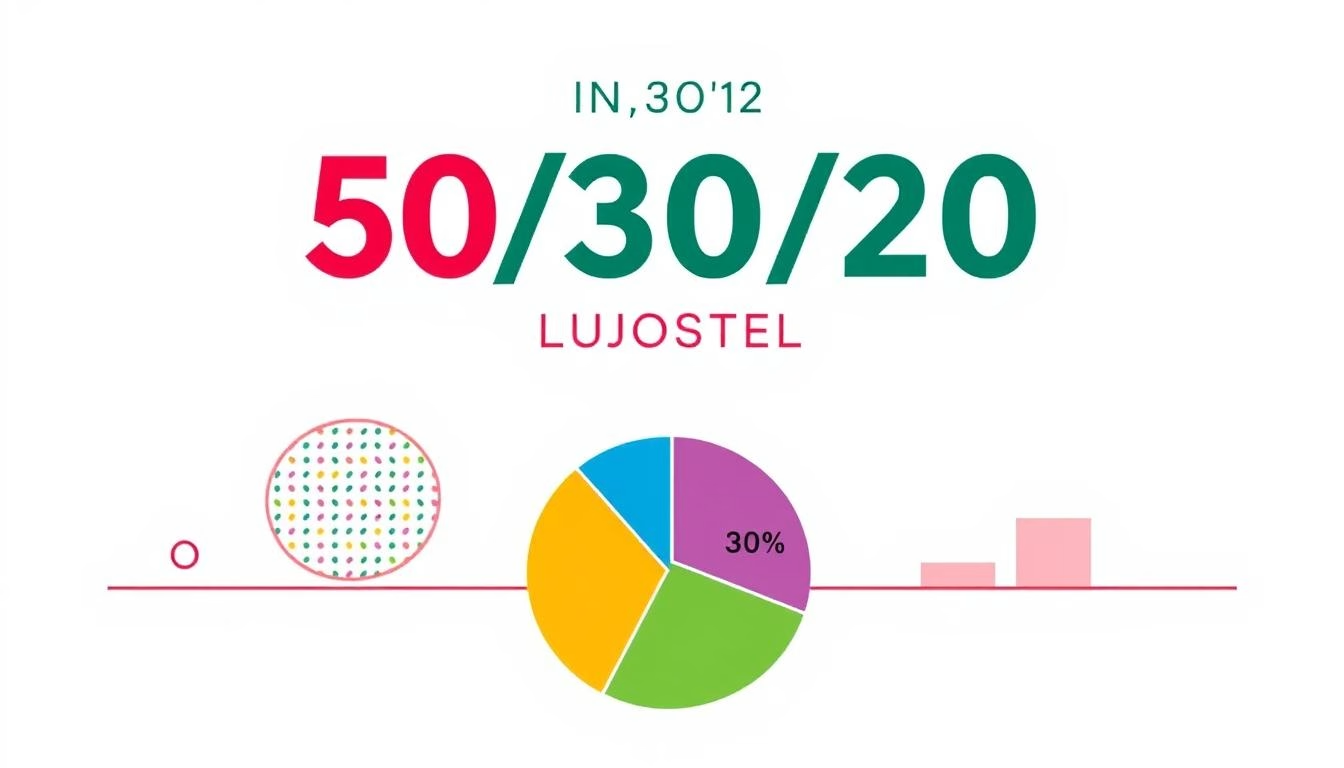
Ever wondered why some people struggle with money, even with all the budgeting tips out there? The 50/30/20 rule might be the answer. It’s a simple way to manage your finances by dividing your after-tax income into three parts.
50% goes to essential expenses, 30% for discretionary spending, and 20% for savings and paying off debts. This rule helps you avoid overspending and work towards a stable financial future.
What Is the 50/30/20 Rule?
The 50/30/20 rule is a simple way to manage money. It divides your income into three parts. This makes it easier to handle your finances.
First, 50% of your income goes to needs like rent, utilities, and food. These are the basics for living every day.
Then, 30% is for wants like eating out, movies, or hobbies. This part lets you enjoy life a bit while still being careful with money.
Lastly, 20% is for saving or paying off debts. This helps you build a secure financial future. By following this rule, you can balance spending and saving. This ensures you meet your daily needs and plan for tomorrow.
The Breakdown of the 50/30/20 Rule
The 50/30/20 rule helps divide your money into three main parts: needs, wants, and savings. It’s a simple way to manage your finances. This method helps you make smart money choices.
Needs are things you must have to live. This includes rent, utilities, insurance, and food. Spending 50% of your income on these ensures you have the basics.
Wants are things that make life better but aren’t essential. This includes fun activities, travel, and dining out. Setting aside 30% for these lets you enjoy life without breaking the bank.
Savings are key to a stable future. It’s important to save at least 20% for emergencies or investments. Saving helps you deal with unexpected costs and grow your wealth over time.
By managing these three areas well, you achieve a good balance in your finances. This balance improves your life today and secures your future.
Determining Your Income for the Rule
To use the 50/30/20 rule, knowing your income is key. You need to figure out how much money you take home each month. This includes your earnings after taxes and any deductions.
Your income can come from many places. This includes your regular job, bonuses, and money from side hustles.
Knowing your total income is the first step to budgeting well. If you have a job that changes each month, like freelancing, averaging your income helps. It gives a better idea of your financial health.
This step is crucial for setting a budget and dividing your money wisely. It helps you stick to your budget and manage your finances better.
Creating a Budget Using the 50/30/20 Rule
To use the 50/30/20 rule for budgeting, start by listing your basic needs. These include housing, food, and utilities. Make sure these costs fit within the 50% budget for necessities. This step is key for good financial planning.
Then, figure out your discretionary spending. This is for things you want but don’t need. Try to keep this at 30% to avoid spending too much on non-essentials. This helps you see what’s truly important to you.
Finally, set aside 20% of your income for savings or paying off debt. This is crucial for building savings or tackling debt. Using budgeting apps or spreadsheets can help track your spending and habits.
It’s important to regularly check and adjust your budget. This is especially true when your income or expenses change. Staying disciplined with your budget helps you reach your financial goals.
Benefits of the 50/30/20 Rule
The 50/30/20 rule is great for managing money. It divides your income into three parts: for essentials, wants, and savings. This makes it easy to keep track of your money.
This rule helps you spend wisely. It teaches you to spend on what you need first, then on what you want. This way, you save more and spend less on things you don’t really need.
One of the best things about this rule is how flexible it is. Your life can change, and this rule lets you adjust your budget easily. This keeps your budget working for you, no matter what.
Using this rule regularly helps you save more. It teaches you to set aside money for the future. This builds a safety net and helps you feel more financially secure.
Challenges of the 50/30/20 Rule
The 50/30/20 rule is simple but comes with challenges. One big problem is figuring out what’s a need versus a want. This makes it hard to stick to the rule.
In places where living costs are high, following the 50% rule for needs is tough. Rent, utilities, and basic needs take up a lot of money. This leaves little for savings, making the 20% goal hard to reach.
To overcome these hurdles, people need to tailor the 50/30/20 rule to fit their own financial situation. Being flexible with the rule helps manage money better.
Real-Life Applications of the 50/30/20 Rule
The 50/30/20 rule is a helpful guide for managing money. It shows how to split income into needs, wants, and savings. For example, a new college grad can use it to handle their first job, student loans, and living costs.
This rule helps keep spending and saving balanced. Families also benefit from it. They can control costs on essentials like childcare and still enjoy family outings.
By using the 50/30/20 rule, people and families learn to manage their money better. They find ways to make it work in their daily lives. Resources like budgeting strategies help them understand personal finance better.
Final Thoughts on the 50/30/20 Rule
The 50/30/20 rule is a strong guide for those seeking financial clarity. It divides income into needs, wants, and savings. This balance helps manage spending and grow savings, leading to a secure future.
Using this rule helps control finances and make smart choices. As life changes, adjusting spending is key to keeping finances on track. This way, people can handle life’s ups and downs better.
The 50/30/20 rule is simple yet flexible, making it a great tip for managing money. For more help, check out budgeting guides. They can help improve your financial plan and secure your financial future.


0 Comments