How Credit Utilization Affects Your Score
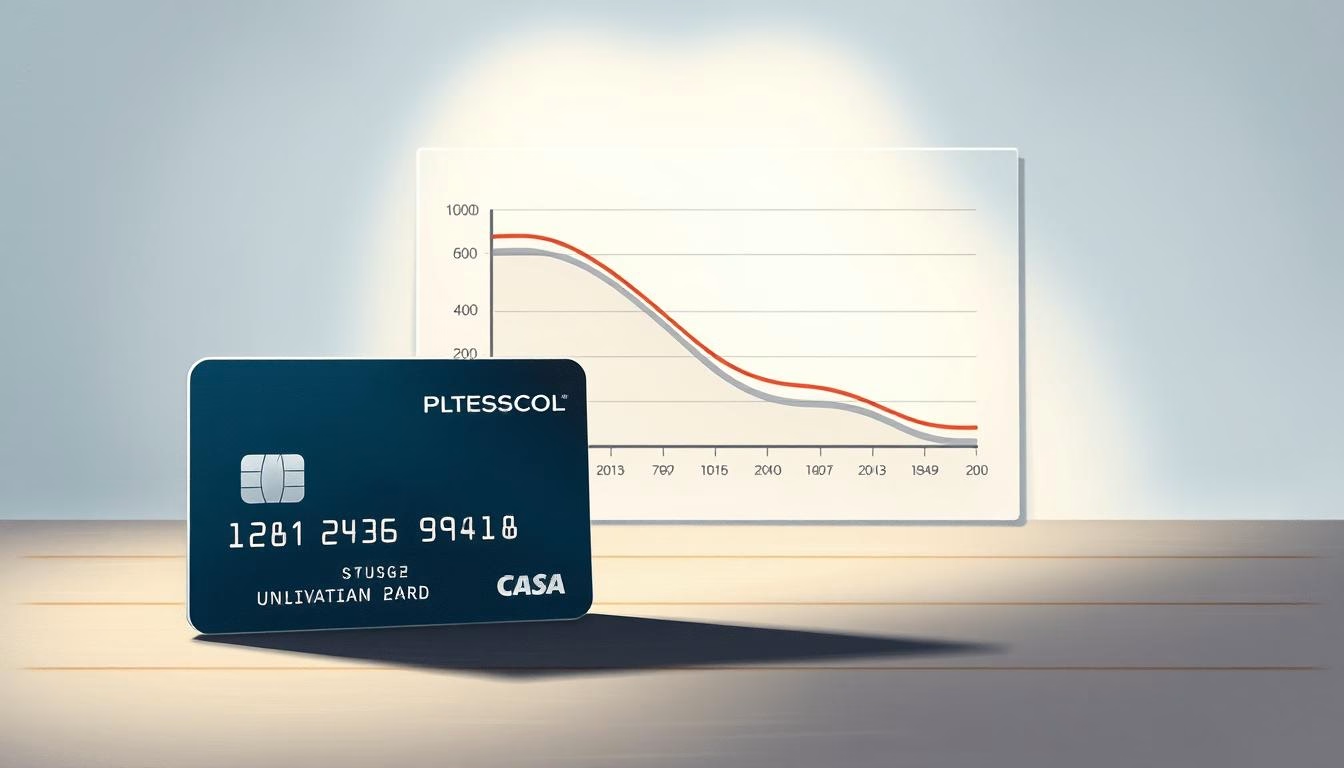
Ever wondered why your credit score changes even when you pay on time? It’s often because of credit utilization. This key factor greatly affects your credit score and your financial health. Knowing how to handle credit utilization is vital for improving your credit.
Studies by big names like Experian and FICO show that keeping a good credit utilization ratio is key. By learning about credit utilization, you can find ways to manage it better. This can lead to better financial results.
What is Credit Utilization?
Credit utilization is the amount of money you owe on your credit cards compared to your total credit limit. It’s shown as a percentage. For example, if you owe $3,000 on a $10,000 limit, your rate is 30%.
This number shows how well you manage your credit. A lower rate means you’re using credit wisely. It’s a key part of your financial health.
Using credit cards wisely can help your credit score. Experts say to keep your utilization under 30%. Checking your balances often helps keep your utilization in check.
The Impact of Credit Utilization on Credit Scores
Credit utilization has a big impact on your credit score. It shows how much you owe compared to your credit limits. This part of your score is very important, making up to 30% of it.
Keeping your credit utilization low is key. High ratios can hurt your score, making it harder to get loans and good interest rates. Studies by FICO and others show that a low ratio is vital for a good credit score.
By keeping an eye on your credit utilization, you can improve your score. This opens up more financial opportunities for you.
Recommended Credit Utilization Ratios
Keeping your credit utilization ratio low is key. Experts say it should be under 30% for good credit scores. This helps you stay safe from harming your credit. Some even recommend aiming for 10% to boost your score even more.
Following these tips can open up more financial doors. People who use credit wisely are more appealing to lenders. A lower ratio not only improves your score but can also lower interest rates on loans.
NerdWallet and other financial advisors share tips on hitting these targets. They stress the importance of watching your credit card balances. Staying within these limits helps improve your financial health and makes you more reliable to creditors.
Consequences of High Credit Utilization
High credit utilization can harm your finances. It can lower your credit score, making it harder to get loans and leading to higher interest rates. This is because how much you use your credit is a big part of your score.
High credit use also means more financial stress. It can mess up your budget and planning. Lenders see it as a sign you might be in too deep, which can hurt your chances of getting good loans.
Strategies to Improve Credit Utilization
Learning how to improve credit utilization is key for a good credit score. There are many ways to manage credit better. One good method is to pay down existing debts.
Reducing credit card balances quickly lowers your utilization ratio. This can greatly improve your credit score.
Another strategy is to ask for higher credit limits. By contacting your credit card company, you can increase your available credit. This gives you more room for balance changes, helping you manage your credit better.
Spreading your balances across multiple cards is also effective. This way, no single card gets too high. Experts suggest making a budget and tracking your spending. This helps you stay within limits.
For more tips on improving credit utilization, check out this guide on effective credit management. Regularly reviewing these strategies is important for a healthy credit profile.
Monitoring and Managing Credit Utilization
Keeping an eye on credit utilization is key for a good credit score. It means watching how much credit you use compared to what’s available. Tools like Credit Sesame help track this, giving you updates on your credit status.
Checking your credit reports often is a must. This ensures the info is right, avoiding score drops from mistakes. Also, controlling your spending helps keep your credit score up. Staying informed helps you make choices that improve your financial health.
Learn more about credit utilization and scores at this link. Knowing your credit usage helps you manage your credit score better.
Common Mistakes Related to Credit Utilization
Many people make mistakes with credit utilization that harm their finances. One big error is ignoring what they owe. Not keeping track of balances can raise their credit utilization ratio, hurting their scores.
Another mistake is closing credit accounts. Some think it simplifies their finances, but it actually increases their credit utilization ratio. Keeping accounts open helps because it keeps the total credit limits high, lowering the used credit ratio.
Checking credit scores regularly is key, but many don’t do it. Monitoring scores helps spot changes in credit utilization. Knowing about these errors lets people fix them quickly and keep their credit healthy.
The Relationship Between Credit Utilization and Debt
It’s key to know how credit utilization and debt are connected. When you have more debt, your credit utilization goes up. This can hurt your credit score.
Managing your debt well keeps your credit utilization in check. Paying off debts or avoiding new ones can boost your score. Making a budget or focusing on high-interest debts helps.
Knowing how debt affects your credit is crucial for good money management. It helps you manage your debt better. This leads to a stronger financial position and better credit scores.

0 Comments