Secured vs Unsecured Credit Cards Explained
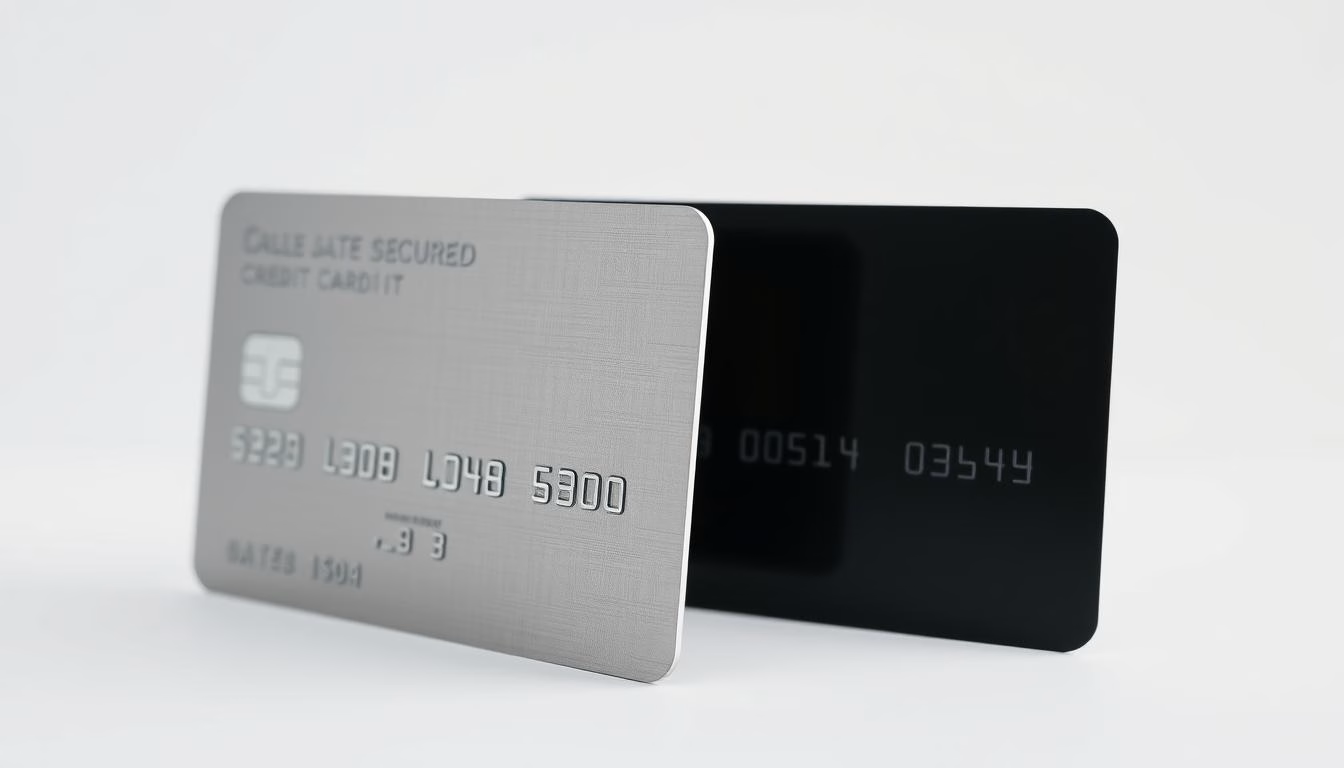
Ever thought a simple deposit could change your financial future? Knowing the difference between secured and unsecured credit cards is key today. Secured cards need a cash deposit, setting your credit limit. They’re great for building or fixing your credit.
On the other hand, unsecured cards are easy to get without a deposit. They’re good for people with all kinds of credit histories. This article will compare both types, showing their pros and cons. It aims to help you make smart choices.
Understanding Secured Credit Cards
Secured credit cards are great for people who want to build or fix their credit scores. They work by asking you to put down a cash deposit that’s the same as your credit limit. This deposit makes lenders feel safer when they give credit to those with bad or no credit history.
Getting approved for a secured credit card is often easier than for unsecured ones. This is because the deposit acts as a safety net for the lender.
Secured credit cards can really help your credit score. If you use them wisely and pay on time, you can show good payment habits to credit bureaus. Cards like the Capital One Secured Mastercard and the Discover it Secured Credit Card are top choices. They report to major credit bureaus, helping you improve your credit over time.
Exploring Unsecured Credit Cards
Unsecured credit cards are a flexible financial option for those with good credit. They don’t need a security deposit, unlike secured cards. This makes them appealing to those who don’t want to pay upfront.
These cards let you use revolving credit for many purchases. They help build or keep a good credit score.
Many unsecured credit cards offer bonuses and incentives. Cards like the Chase Freedom Unlimited® and the Capital One Quicksilver Cash Rewards Credit Card are popular. They give cash back or travel perks, helping you budget and spend wisely.
When choosing between secured and unsecured cards, unsecured ones have big benefits. They let you spend more without needing collateral. This mix of freedom and responsibility makes them popular in personal finance.
Comparison of Secured and Unsecured Credit Cards
Secured credit cards need a cash deposit as collateral. This deposit sets the credit limit, usually equal to the deposit amount. They help people with little or no credit history get a card.
Unsecured credit cards don’t need a deposit. They offer different credit limits and rewards. But, you need a good credit score to get approved.
Interest rates differ between secured and unsecured cards. Secured cards often have higher rates, especially for those with limited credit. Unsecured cards might have lower rates for those who qualify. It’s important to compare these to find the best card for your needs.
Who Should Consider Secured Credit Cards?
Secured credit cards are great for people wanting to improve their credit scores. They are perfect for those with little or no credit history. You need to put down a cash deposit that becomes your credit limit.
This setup is safe for the card company and helps you start building credit. It’s a good choice for young adults or anyone who has had financial problems.
People who have been turned down for regular credit cards might want to try secured ones. These cards help you show you can handle money well. By paying on time, you can raise your credit score.
This makes it easier to get regular credit cards later. Secured cards are a smart first step towards better financial health.
Who Should Opt for Unsecured Credit Cards?
Unsecured credit cards are great for people with good credit scores. If you always pay your bills on time, these cards can be very helpful. Knowing what you need to qualify is key to making the most of them.
These cards don’t need a deposit, unlike secured ones. This makes them attractive to those with strong credit. Managing your credit well can lead to better terms and higher limits. Checking if you qualify can help you decide if these cards are right for you.
Impact on Credit Scores
Secured and unsecured credit cards have different effects on your credit score. Using them wisely is key to a good credit history. Paying on time and keeping balances low can improve your score over time.
For those with secured cards, making payments regularly can really help. It shows you’re serious about building a strong credit history.
Keeping your credit utilization under 30% is a good rule. This helps your score, whether you have secured or unsecured cards. But, missing payments can hurt your score for both types.
It’s crucial to follow the rules and understand how different actions affect your score. This helps keep your credit in good shape for the long run.
To get the most out of these cards, manage them well. Learn how to use secured cards wisely. For more tips on using secured cards to build credit, check out this information.
Fees and Interest Rates
When looking at secured vs unsecured credit cards, it’s key to know the fees and interest rates. Secured cards often have annual fees up to $50. But, some cards like the Capital One Platinum Secured Credit Card and the Discover it® Secured Credit Card have no annual fee. You should also check the minimum deposit, usually around $200, which affects costs.
Secured cards usually have higher interest rates than unsecured cards. If you have little credit history, you might face even higher rates. This can lead to more interest over time. Unsecured cards, however, often have better rates. Yet, they might charge fees for late payments and cash advances, adding to your expenses.
To make smart credit choices, it’s important to understand fees and interest rates for each card. Knowing this helps you pick the right card for your spending and financial goals.
Conclusion: Choosing the Right Card
When deciding between secured and unsecured credit cards, it’s key to look at your financial situation and goals. Secured cards are great for those rebuilding their credit or starting fresh. On the other hand, unsecured cards offer more rewards and benefits for those with good credit.
Doing a thorough credit card comparison helps you see the differences in fees, interest rates, and rewards. It’s important to think about both the short-term benefits and the long-term effects of each card. Knowing your credit score can help you choose the best card for your financial growth.
Both secured and unsecured cards play important roles in improving your financial health. Making a choice based on your needs and goals is crucial. Whether you’re building credit or using what you already have, picking the right card can bring lasting benefits.


0 Comments